How Redesigning a Website Can Affect SEO and What You Should Watch For
Your Website Redesign Could Break or Boost Your SEO
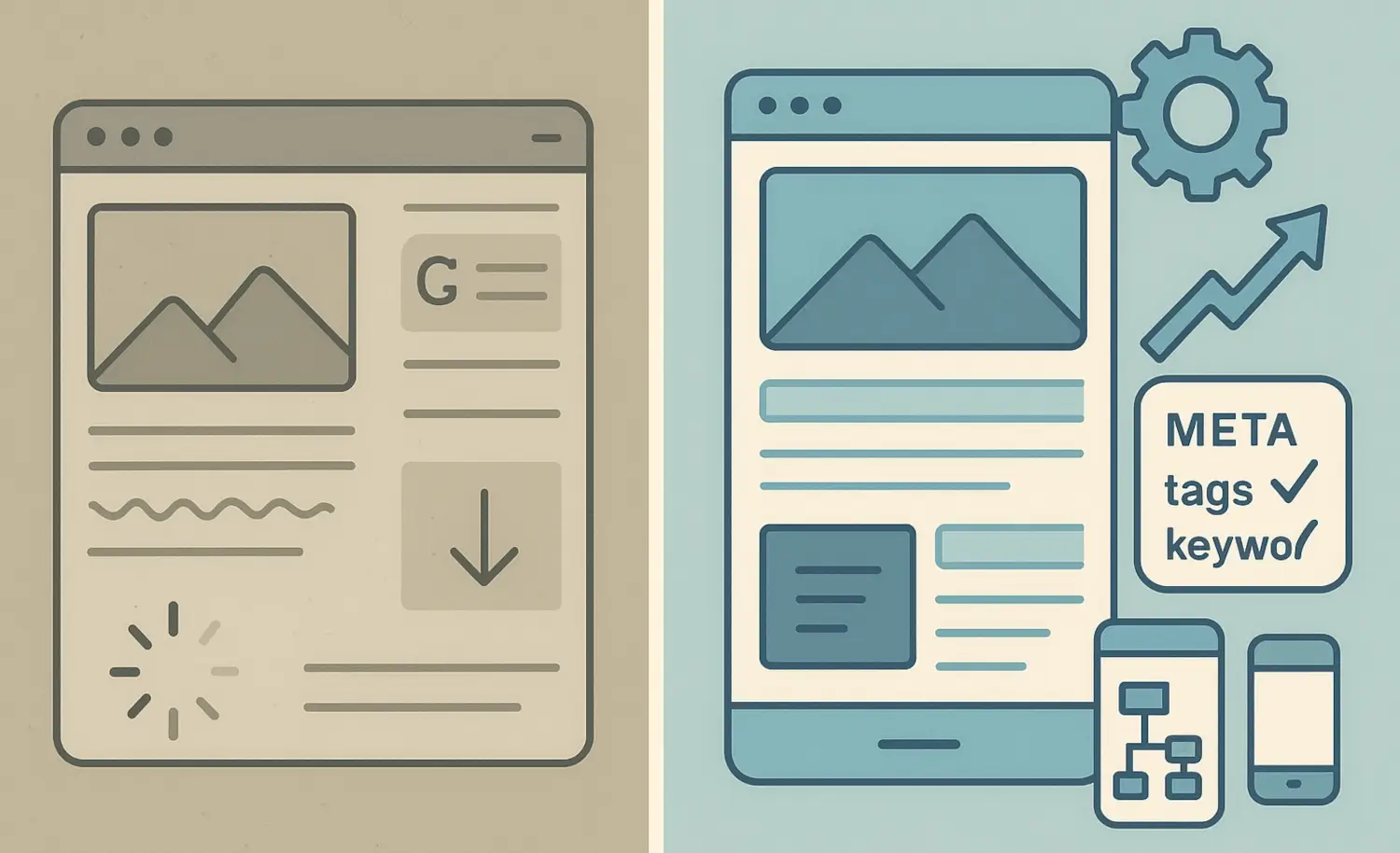
Redesigning a website isn’t just about looks. The structure, content, and technical choices you make can either support your search visibility or ruin it.
Let’s break down what you should know before making changes that might undo years of SEO work.
What Happens to SEO When You Redesign?
When you redesign a site, things change:
- URLs may shift
- Page structures may get altered
- Content can be deleted or moved
- Internal links can break
- Meta tags might be wiped
Each of these has a direct impact on how search engines crawl, index, and rank your site.
Common SEO Issues After a Redesign
Here are the problems most companies run into:
1. Lost Backlinks
Backlinks point to specific URLs. If you change those URLs and don’t set up redirects, you lose the link equity. This can drop your rankings fast.
Fix: Set up 301 redirects from old URLs to new ones. Always.
2. Removed or Thin Content
If your redesign trims content that once ranked well, Google may see your site as less useful.
Fix: Keep high-performing content. Use tools like Google Search Console or Ahrefs to find pages that bring in traffic and links.
3. Slow Page Speeds
Fancy animations and large images may look good, but they can slow down your site. Page speed is a ranking factor.
Fix: Compress images. Use lazy loading. Minimize scripts.
When a Redesign Helps Your SEO
Not all redesigns hurt. In fact, many companies in Kenya have seen major gains after updating old, clunky websites. A cleaner structure, better content, and improved mobile responsiveness can lead to better performance.
Here’s how a well-thought-out redesign can support SEO:
1. Improved Site Structure
Google favors websites with a clear, logical structure. A redesigned menu with grouped categories and better internal linking helps both users and bots navigate your site.
This is where smart internal linking plays a role. It passes authority across pages and keeps users engaged.
2. Mobile-Friendliness
More than 70% of web traffic in Kenya comes from mobile devices. If your old site wasn’t responsive, redesigning it into a mobile-friendly layout is a big SEO win.
3. Fresh, Targeted Content
Use the redesign as a chance to update old blog posts, add FAQs, or publish new service pages.
What to Do Before You Launch the New Site
Avoid surprises by preparing first. Here’s what to check:
- Crawl your current site using tools like Screaming Frog and export your URLs.
- Map redirects so no links break after launch.
- Back up your old site in case anything goes wrong.
- Track performance using Google Analytics and Search Console.
Post-Launch: What to Watch
After launching the new site:
- Monitor traffic. Expect a small dip, but recoveries should follow if the SEO was handled right.
- Check for crawl errors and broken links.
- Re-submit your sitemap to Google.
If you’re working with a professional web design and development company, make sure they understand SEO. Some agencies focus only on aesthetics and forget search impact.
Ask Yourself These Questions
- Did I preserve my best-performing content?
- Are all internal links working correctly?
- Does my new design load fast on mobile?
- Are my services now easier to find?
If the answer is no, the redesign needs more work.
Need a Team That Gets SEO?
Whether you’re a law firm, a school, or a retail business in Kenya, your website matters. If you’re looking for a top web design and development firm in Nairobi that also handles SEO, internal linking, and structured content, don’t settle for just pretty layouts. Work with a company that helps your site get found.